
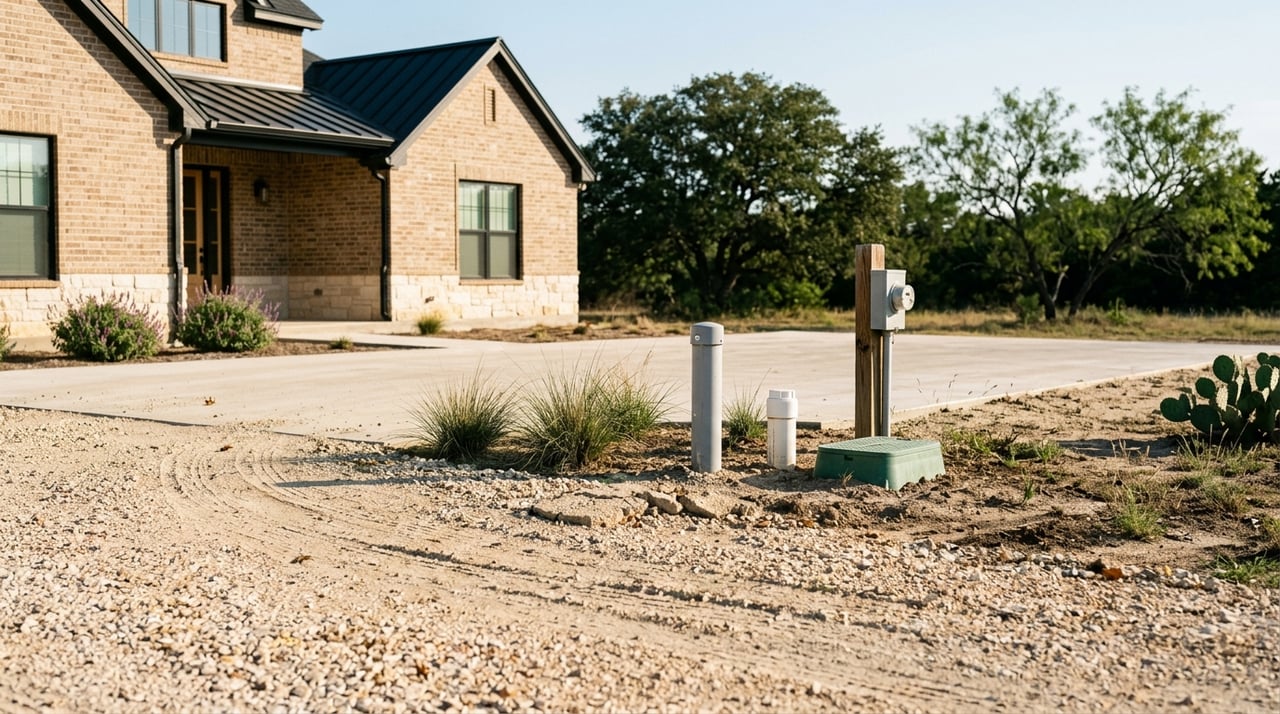
Buying a piece of land near Lawn can feel full of possibility, but it can also come with a lot of unknowns. You may be picturing a custom home, extra space, or a long-term investment, yet rural property often needs more research than buyers expect. The good news is that asking the right questions upfront can help you avoid expensive surprises and move forward with confidence. Let’s dive in.
Lawn is a small town in southeastern Taylor County, about 24 miles south of Abilene. Because properties in and around Lawn can fall inside city limits, outside city limits, or in unincorporated county areas, the rules and utility setup can vary from tract to tract.
That matters because Taylor County says it does not have zoning authority, does not issue certificates of occupancy, and does not control deed restrictions or HOA or POA rules. In practical terms, you cannot assume a property is build-ready just because it is being marketed as homesite acreage or because nearby land is already improved.
One of the first questions to ask is simple: How do you legally get to the property? A land listing may look easy to reach on a map, but the real issue is whether the tract has legal access from a public road or through a recorded easement.
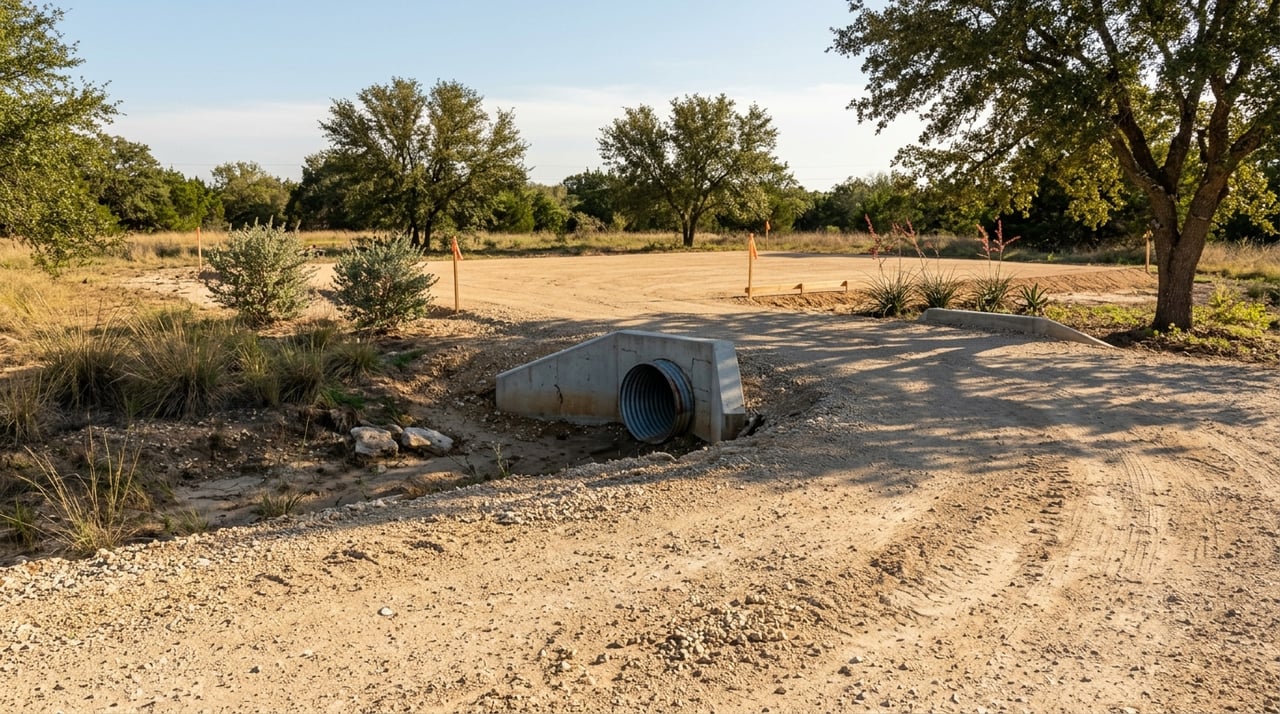
You should also ask whether any driveway or culvert permit will be required. Taylor County’s development rules include a county-road driveway permit, and if the property will access a state highway or road, TxDOT approval is required.
This is one of the easiest places for assumptions to create problems. Before you commit, confirm exactly how access works on paper, not just how it looks in person.
If land in unincorporated Taylor County has been divided into two or more parts, a plat may be required. The county does list some exemptions, including certain agricultural or farm uses and some lots over 10 acres.
If the tract is inside a municipality’s ETJ, the municipality must approve the plat. That means you should ask whether the property has already been platted, whether it qualifies for an exemption, and whether any approvals are still pending.
This question can affect your timeline and your plans. If paperwork is incomplete, your purchase may involve more steps than you expected.
Because Taylor County does not control deed restrictions, buyers need to verify private restrictions for themselves. Recorded documents may limit how the land can be used, whether you can place certain structures on it, or what building standards apply.
You should ask for copies of any deed restrictions, plats, easements, and related documents. Taylor County Official Public Records include deeds, deed restrictions, plats, liens, and other land records, so this is where recorded details can be checked instead of relying only on seller statements.
This step is especially important if you plan to build, keep animals, add a shop, or hold the property for future use. The right tract for one buyer may not fit another buyer’s plans at all.
Water is one of the biggest questions for rural land. The City of Lawn says its water system serves customers within the city limits and in the country in Taylor County, and that it buys treated water from the City of Abilene and operates as an independent water distribution system.
That does not mean every tract near Lawn automatically has city water available. You need to ask whether the specific property can connect to public water, whether a written agreement with the retail public utility is required, and what costs or timing may be involved.
If the tract will depend on groundwater instead, Taylor County requires certification that adequate groundwater is available. Either way, water availability should be verified for the exact tract before closing.
If the land is not served by public sewer, septic usually becomes a major part of the conversation. In Texas, permits are required for on-site sewage facilities, and local authorities can be stricter than state minimums.
TCEQ says a preconstruction site evaluation by a licensed site evaluator or professional engineer should include a survey of the whole lot and a soil analysis in the proposed disposal area. Taylor County directs septic questions to its Environmental Director, which makes local confirmation especially important.
A property can look perfect on the surface and still present septic challenges. Ask whether testing has been done, whether a system design appears feasible, and whether the likely septic location affects where you can place a home, driveway, or other improvements.
Soil and drainage issues can change the true cost of a land purchase in a hurry. Some tracts need grading, some have drainage concerns, and some may create challenges for foundations, driveways, or septic design.
Taylor County’s subdivision rules require floodplain areas to be shown on the plat and require adequate drainage. USDA NRCS provides public soil data through the Web Soil Survey, which can help you start researching site conditions before you get too far into the process.
This does not replace professional guidance, but it can help you ask better questions. If you are planning to build, ask your builder or site professionals whether the lot’s topography and soil conditions could affect your budget.
Flood risk is another issue you do not want to discover after you buy. Even if a property looks dry when you visit, parts of the tract may still fall within a mapped flood hazard area.
Taylor County requires floodplain areas to be shown on plats, and FEMA’s Flood Map Service Center is the official public source for flood hazard information. Ask whether any part of the tract is in the floodplain and whether that changes where you can build or place improvements.
If a property has usable acreage but only part of it is practical for a homesite, that should affect your decision and your pricing strategy.
Land buyers sometimes focus so much on the lot itself that they forget to confirm utility service. Before you commit, ask whether electric service is available at the tract and what it may take to extend service if it is not already nearby.
Taylor Electric Cooperative serves the broader Big Country area. The co-op also says fiber is being built in parts of its service area based on interest and existing infrastructure, so broadband availability should be checked rather than assumed.
This matters for both budget and lifestyle. Utility trenching, meter placement, and internet access can all influence whether a tract works well for your plans.
A tract may seem affordable at first glance, but land value and build cost are not the same thing. The practical issues that most often change the real cost include grading, driveway feasibility, septic design, and utility trenching or meter placement.
These are smart questions to bring up early with your builder and your real estate team. A property that looks cheaper on paper may end up costing more once site work and utility setup are factored in.
If you are financing both the land and the build, loan structure matters too. USDA Rural Development offers a single-close construction-to-permanent loan program through approved lenders, which can simplify rural homebuilding for some buyers.
Not every land purchase is financed the same way. Your loan type can affect your down payment, costs, and the way your project comes together if you plan to build.
That is why it helps to compare loan options carefully and ask lenders for clear estimates. If you are considering a build, make sure you understand whether your financing supports the land purchase alone or the full construction path.
A little time spent on financing questions can save you stress later. It also helps you shop for land with a more realistic budget.
Before you move forward on land near Lawn, try to get clear answers to these questions:
Buying land near Lawn is not just about finding acreage you like. It is about understanding how access, utilities, county rules, recorded restrictions, and site conditions come together on one specific tract.
That is where local experience can make the process feel much more manageable. When you have someone helping you ask the right questions early, you are more likely to spot issues before they become expensive problems.
If you are thinking about buying land near Lawn or anywhere around the Big Country, Kristen Kyker can help you look at the details, ask smart questions, and move forward with confidence.

Who you work with matters! When it comes to your real estate needs, you should work with the best. Whether it is buying, selling, renting, second homes, investing, or more, we are happy to help assist you in any way that we can.

2500 S Willis St Abilene, TX 79605