
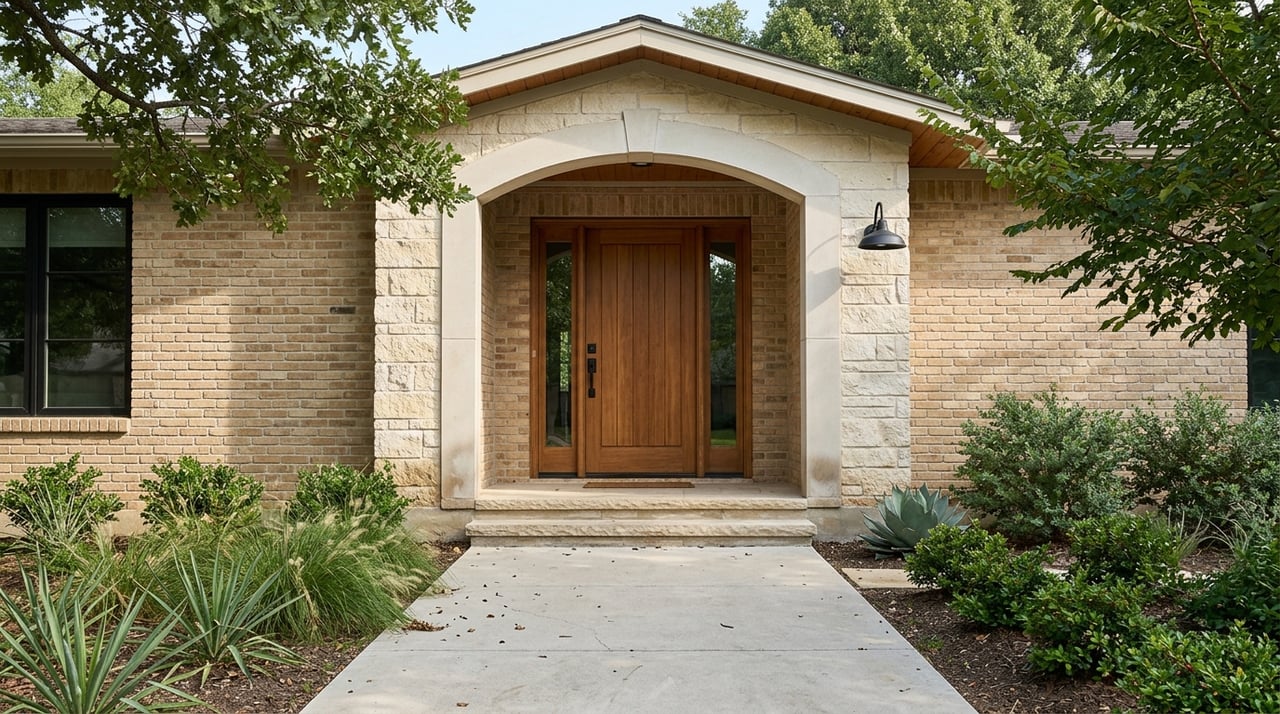
Buying your first home in Tye can feel simple at first glance. It is a small community, and you may assume a smaller market means fewer surprises. In reality, first-time buyers here need to weigh more than price alone, including property type, commute access, taxes, utility setup, and city permit rules. This guide will help you move step by step with more confidence so you can make a smart decision in Tye. Let’s dive in.
Tye is a small community west of Abilene near the I-20 and FM 707 intersection. With about 936 residents across 4.8 square miles, it offers a location that can appeal to buyers who want highway access and a convenient commute, including access near Dyess AFB and other nearby destinations.
Because Tye is a small market, you should expect limited inventory and uneven pricing signals. Current listing categories include single-family homes, mobile homes, and land, so you may be comparing very different property types instead of looking at a long list of similar homes.
That is why your first purchase in Tye should start with a clear plan. A lower list price does not always mean lower long-term cost, and a higher sale price does not always mean the market is moving fast across the board.
Before you tour homes, decide what you can comfortably afford each month. A strong budget gives you clarity and helps you avoid falling in love with a home that stretches your finances too far.
Your housing budget should include more than the mortgage payment. You will also want to plan for property taxes, insurance, closing costs, moving expenses, repairs, and any home improvements you may need after move-in.
If a property has special features, those can affect your budget too. In Tye, that may include land upkeep, utility setup, or costs tied to manufactured housing or future additions.
The good news is that a 20% down payment is not required for every buyer. Some loan options allow lower down payments, though that can affect mortgage insurance and your monthly cost.
Once you know your budget, the next move is getting preapproved with a lender. This helps you understand your price range, shows sellers you are serious, and lets you move faster when the right property hits the market.
For many first-time buyers in Tye, a few loan paths may be especially relevant:
If you want to explore TSAHC help, timing matters. Buyers work through approved lenders, complete the required process before closing, and cannot apply after the transaction is finished.
If you are considering USDA financing, check address eligibility early. The property must be in an eligible rural area, and your household must meet the income rules for the specific program.
In Tye, your home search may look different from a larger city search. You are not only picking a house. You may also be choosing between a traditional home, a manufactured home, or land where future use matters just as much as the current condition.
That means your search should focus on the tradeoffs that matter most to your daily life. In a small market, flexibility often helps.
As you compare options, pay close attention to:
A home that looks affordable online may need more work, carry different financing limits, or involve added permit steps. A higher-priced home may offer a simpler path to closing and move-in.
This step matters even more if you are looking at land, acreage, additions, or manufactured housing. In Tye, the city requires building permits for new construction and additions. It also requires a manufactured-home permit for any new or used manufactured home brought into the city.
The city’s public works department handles water and sewer line maintenance, service applications, and permits. Planning and zoning handles zoning changes and platting, which can be important if you are thinking beyond the current structure on the property.
For a first-time buyer, this means you should ask early questions before you write an offer. If your plans include bringing in a manufactured home, building later, or changing how the property is used, permit and service details can affect your timeline and budget.
When you find a property that fits your goals, move forward with an offer that protects you. In a small market, it can be tempting to rush, especially if inventory is limited.
Even so, your contract should include important contingencies. Financing and inspection contingencies can help protect you if the loan falls through or the property inspection reveals issues you did not expect.
This is especially important in a market where homes can vary widely in age, condition, and setup. A careful offer gives you room to move forward with confidence instead of guesswork.
After your offer is accepted, the next phase is about verifying what you are buying and making sure the financing stays on track. The inspection helps you understand the condition of the property, while the appraisal helps confirm value for the lender.
If you are buying a property with unique features, this stage becomes even more important. Larger lots, manufactured housing, or properties with fewer comparable sales may require extra patience and careful review.
This is a good time to keep your budget flexible. Inspection results can lead to repair requests, and appraisal outcomes can affect negotiations.
Texas does not have a state property tax, but property taxes are assessed and administered locally. That means your monthly housing cost can change based on the specific property and local tax details.
For many buyers, the residence homestead exemption can make a real difference after closing. The state says school districts must provide a $140,000 exemption for residence homesteads, which can lower the taxable value used for school district taxes.
If the home will be your primary residence, be sure to learn the filing process and deadline. Exemption applications are generally filed with the appraisal district in the county where the property is located, and the general deadline is before May 1.
If school attendance is part of your home search, verify the assigned attendance zone for the specific address before you make an offer. Merkel ISD says it serves Tye, but attendance boundaries can depend on the exact property.
This is a simple step that can prevent confusion later. It is always better to confirm the address directly than to rely on assumptions from a listing.
Before closing day, slow down and review the final details. This includes your final walk-through, your loan paperwork, and your Closing Disclosure.
Closing can involve several third-party services, including title insurance and settlement services. If your Closing Disclosure changes in certain ways, a new 3-business-day review period may apply, so give yourself enough time to read every document carefully.
This is the finish line, but it is still a key part of protecting yourself. A calm, organized final review can help you avoid last-minute stress.
If you want to keep the process manageable, use this quick roadmap:
A first-time purchase in Tye is not always about finding the cheapest home on the screen. It is about understanding what you are buying, what it may cost over time, and how the property fits your daily life.
That is where local guidance can make a big difference. In a market with mixed inventory and fewer comparable sales, it helps to have someone who understands Big Country property types, local patterns, and the questions first-time buyers often do not know to ask.
If you are thinking about buying in Tye, Kristen Kyker can help you build a clear plan, compare your options, and move forward with confidence.
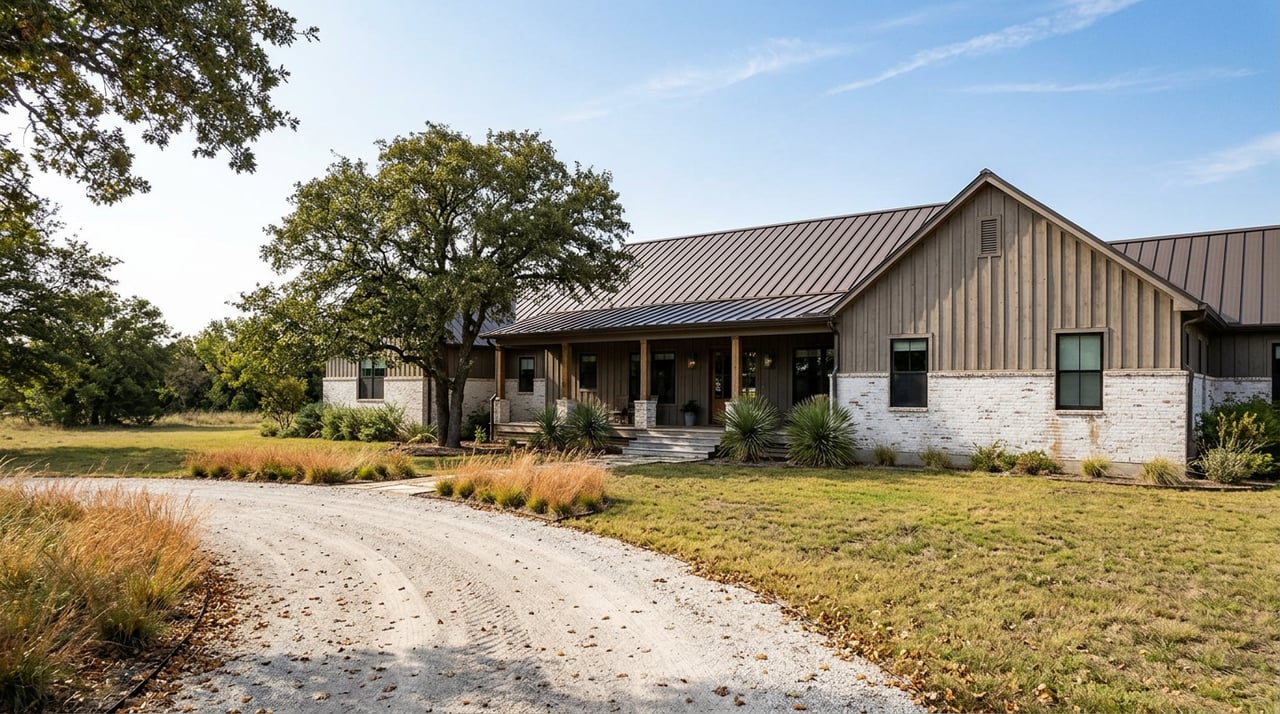
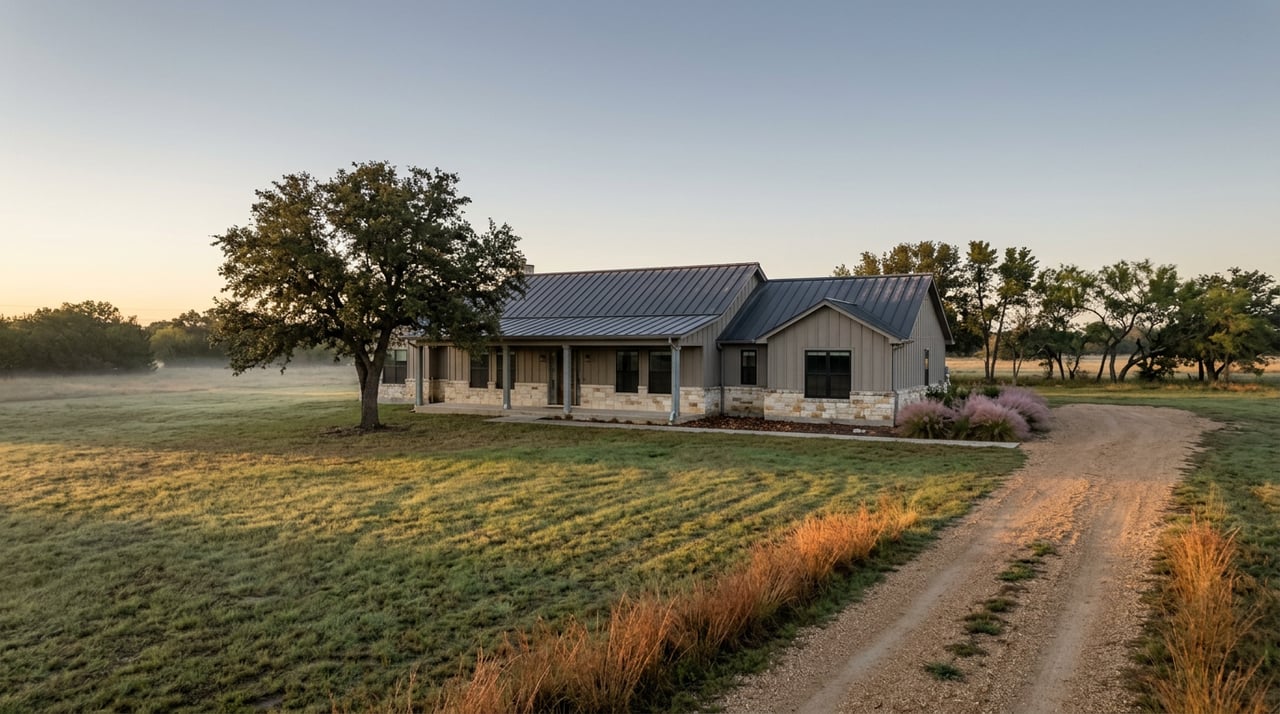
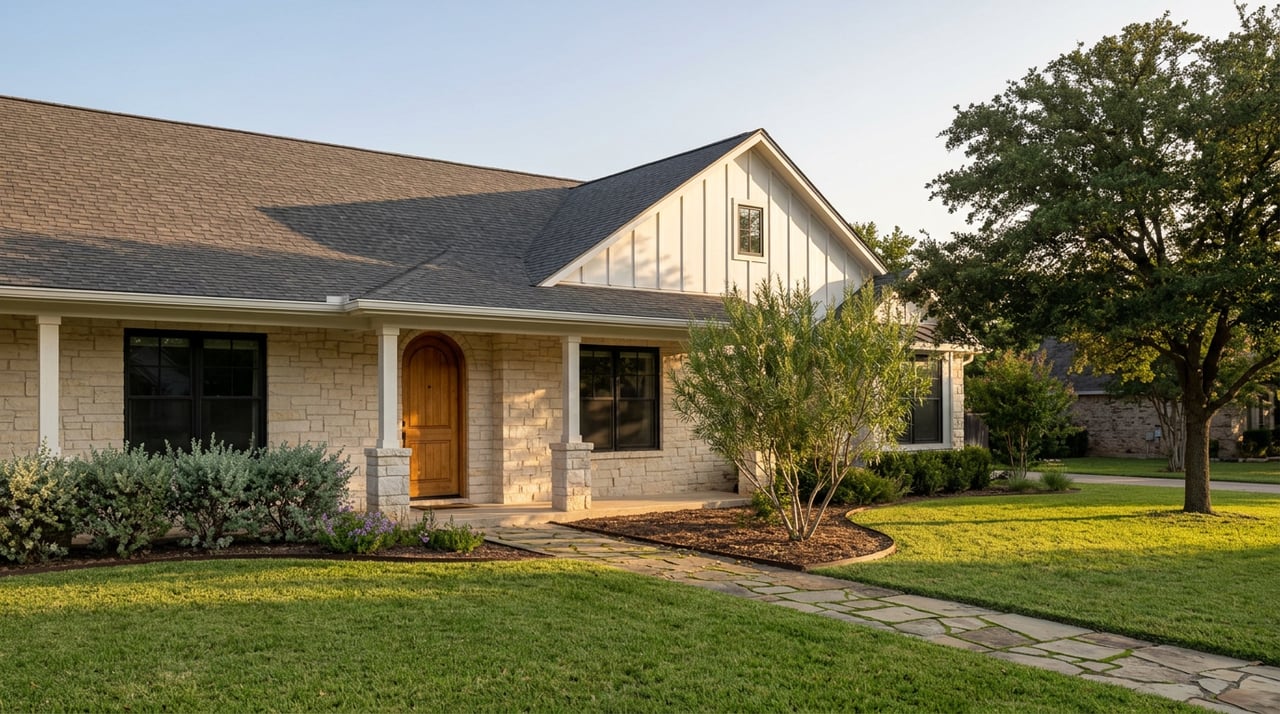

Who you work with matters! When it comes to your real estate needs, you should work with the best. Whether it is buying, selling, renting, second homes, investing, or more, we are happy to help assist you in any way that we can.

2500 S Willis St Abilene, TX 79605