
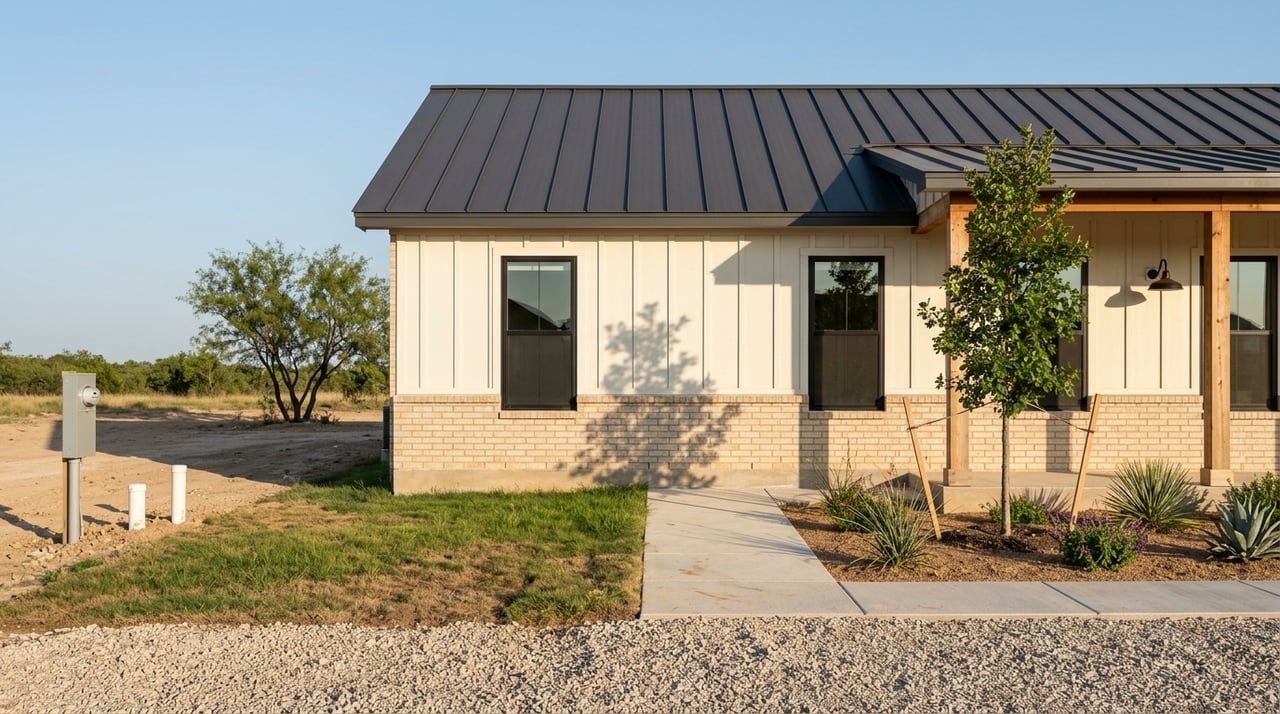
Trying to decide between a new build and a piece of land in Tuscola? You are not alone. For many buyers, both options sound appealing at first, but they solve very different problems. If you want more clarity before you commit, this guide will walk you through how each path works in Tuscola, what to verify first, and which option may fit your timeline, budget, and goals best. Let’s dive in.
In Tuscola, buying a completed new-construction home is usually a straightforward home purchase. Buying land is different because you are really buying a future project, and that project depends on site readiness, utility access, permitting, and financing.
That distinction matters in a smaller community like Tuscola, where the city reports a population of about 850 residents and notes that city staff handles sewer and trash billing. If you are comparing options, it helps to think of a new build as a move-in-ready decision and land as a research-first decision.
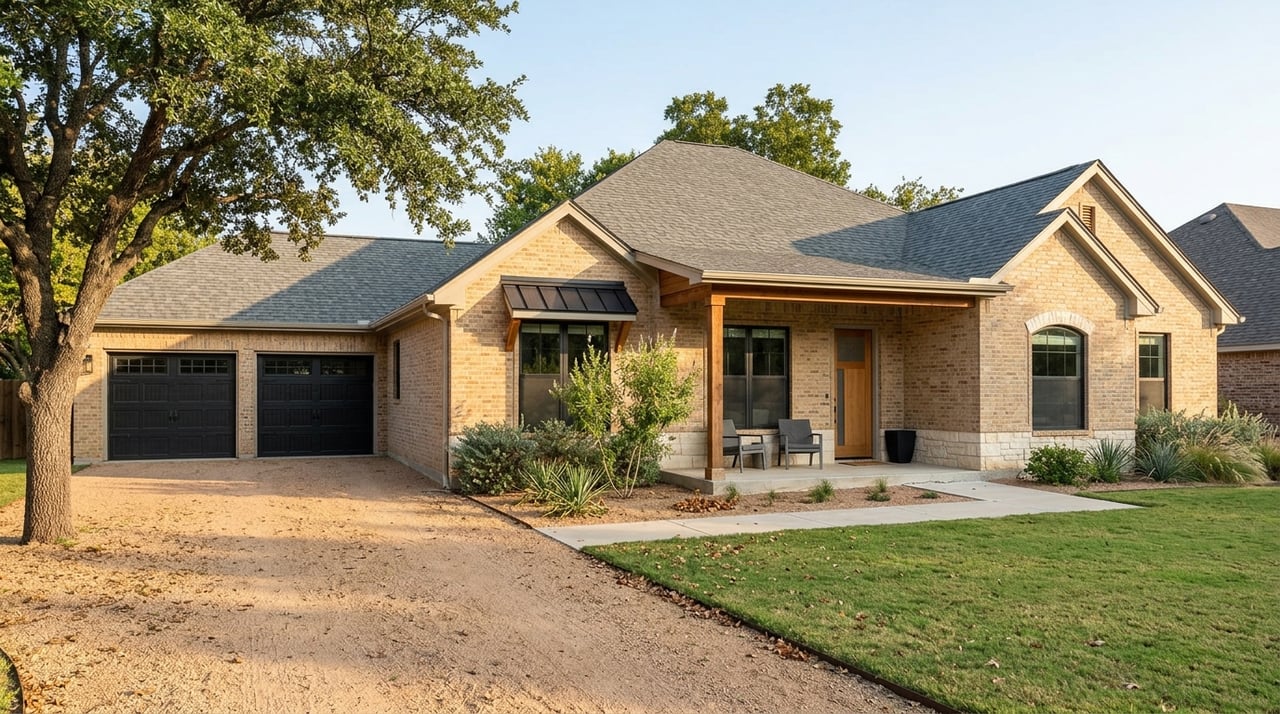
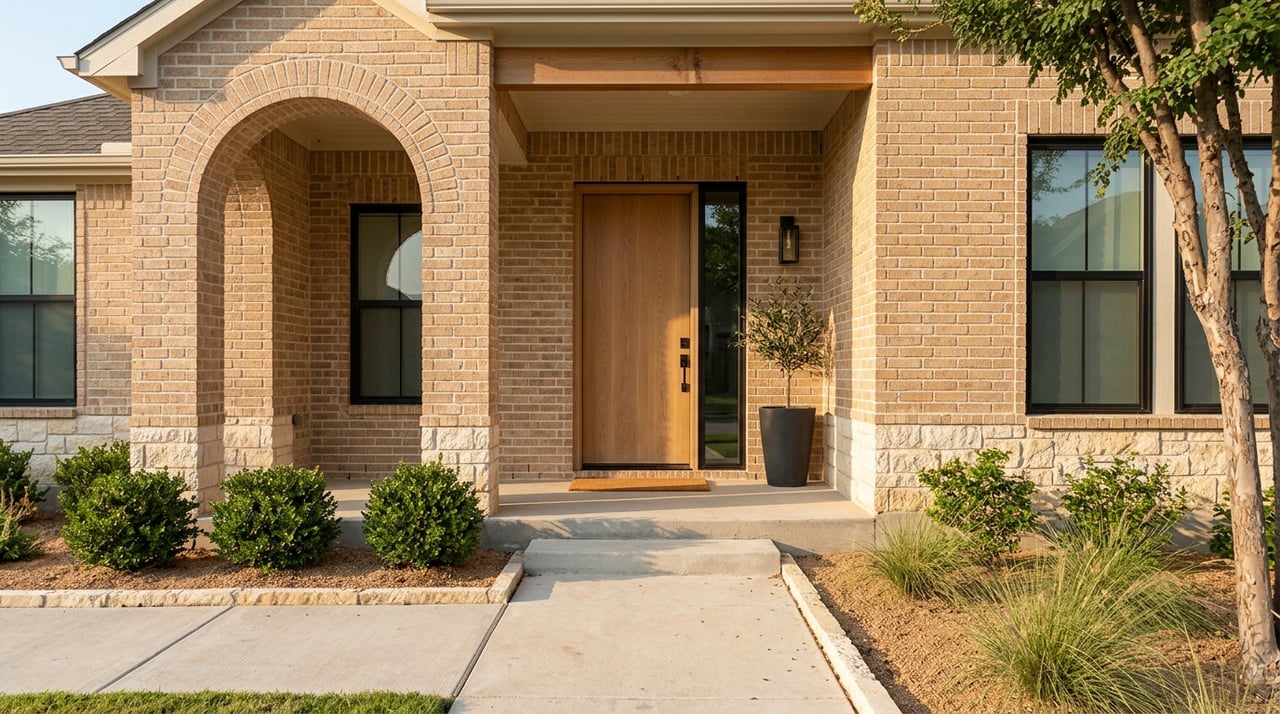
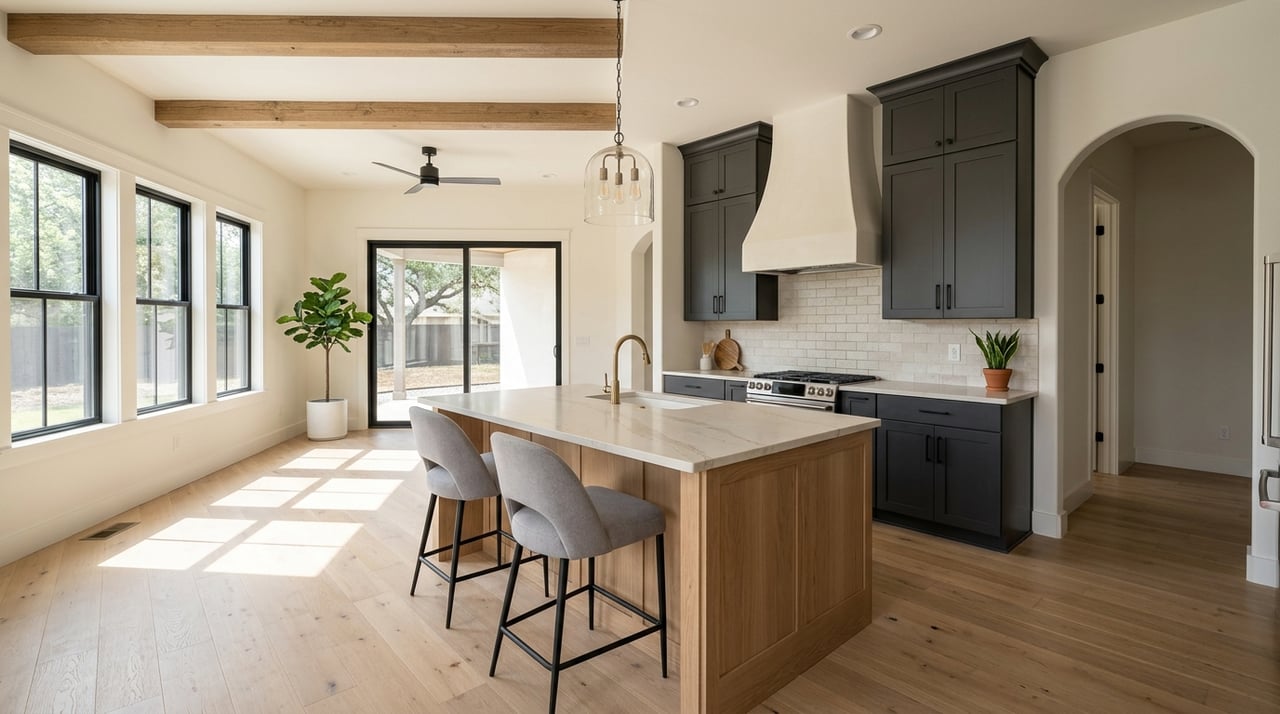
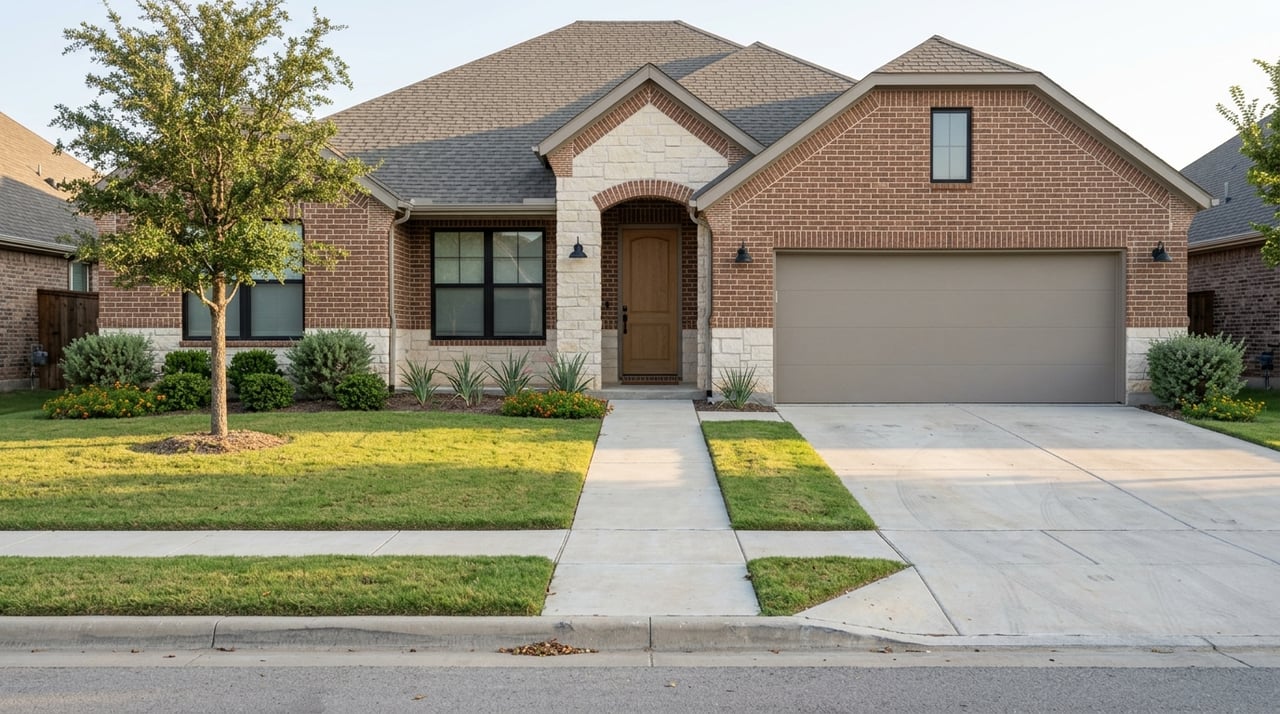
A completed new-construction home often gives you more certainty from day one. You can usually evaluate the home, the lot, the layout, and the utility setup before closing, which makes planning easier.
For many buyers, that means fewer unknowns. Instead of figuring out whether a parcel can support your building plans, you are focused on the home itself, your financing, and your move timeline.
If speed matters, a finished new build is usually the faster route. According to the Consumer Financial Protection Bureau's overview of construction loans, construction financing is staged and temporary, which adds more steps than a standard purchase mortgage.
With land, the process usually starts long before the house does. You may need to sort through surveys, site plans, utility questions, septic approval, and floodplain review before construction can even begin.
Inside city limits, utility arrangements are often easier to understand upfront. Tuscola’s trash and sewer information explains that residents use contracted AEL trash service and pay city sewer rates by usage, with city hall handling billing.
That does not remove every question, but it often gives buyers more clarity than raw land outside city limits. When you buy land, water and wastewater solutions should always be confirmed parcel by parcel rather than assumed.
Land can offer flexibility that a completed home cannot. If you want more control over lot size, home footprint, or the timing of your future build, land may be the better fit.
That said, flexibility comes with more homework. In Tuscola and Taylor County, what you can build and how you build it depends heavily on where the property sits and which rules apply.
Some buyers want room to plan carefully and build later. Others want a specific layout or lot shape that may not exist in a completed new-construction inventory.
Buying land can support that goal, but only if the site actually works for your intended use. Before you get attached to a parcel, you need to verify what is allowed, what is available, and what improvements may be needed.
One of the biggest land-buying lessons in Tuscola is that not all land is governed the same way. Inside the city, Ordinance 102 requires a survey or accurate site plan with building and subdivision applications, sets a minimum lot size of 10,000 square feet, and requires a minimum lot width of 50 feet.
The same ordinance also notes that accessory dwellings are allowed only by special use permit. That means lot dimensions, setbacks, and easements are not small details. They can directly affect what you are able to build.
Outside a municipality in unincorporated Taylor County, the process can be different. Taylor County states that it does not enforce zoning, but platting rules still apply when land is divided into two or more parts, and land in an ETJ may also need municipal approval.
Financing is one of the clearest differences between buying a new build and buying land to build later. A completed home usually fits a more familiar mortgage path, while land and construction often involve more moving pieces.
That does not mean land is off the table. It just means you should talk with a lender early so you understand the timeline, structure, and out-of-pocket expectations.
The CFPB explains that construction loans are usually short-term, disbursed in stages, and often carry higher rates than longer-term purchase mortgages. In some cases, payments begin 6 to 24 months after the loan is made, and if the loan does not convert automatically, you may need to apply again for permanent financing.
For buyers who want fewer closing steps, a construction-to-permanent option may be worth asking about. Fannie Mae's guidance on single-close construction-to-permanent loans explains that this structure combines interim construction financing and permanent financing into one transaction, with automatic conversion when construction is complete.
USDA also notes that its combination construction-to-permanent program can reduce costs because borrowers pay closing costs on one loan instead of two. For eligible rural borrowers, USDA's guaranteed loan program may allow 100% financing through approved lenders, subject to income and occupancy requirements.
If you are leaning toward land, your first calls should usually be to a lender and the correct city or county office. That early step can help you avoid making assumptions about financing, utility access, or buildability.
This is especially important if you already own land or plan to buy land first and build later. USDA's program guidance notes that borrowers who already own land may still have options, but the loan structure and eligibility details should be confirmed with an approved lender.
If you are thinking about buying land in Tuscola or nearby Taylor County, due diligence is everything. The right parcel can be a great fit, but the wrong parcel can create delays and extra costs.
A careful review before you buy can save you time, money, and frustration later. That is where local guidance can make a big difference.
In unincorporated Taylor County, the county’s Environmental Department says all facilities require an on-site sewage facility permit, including new systems, repairs, alterations, and additions. The same department says floodplain development permits are required for houses, buildings, mobile homes, and other structures in unincorporated areas.
The Texas Commission on Environmental Quality also requires OSSF permits and notes that local permitting programs may be stricter than state minimums. In practical terms, that means septic approval should be one of the first items you verify for raw land.
Water is another major checkpoint. Tuscola-Taylor County WCID #1 says it provides safe, high-quality water service, and its 2024 consumer confidence report says the district provides purchased surface water from the City of Abilene. Even so, service availability should still be confirmed for the specific parcel you are considering.
Before you buy land in or around Tuscola, make sure you verify:
If you want a more predictable timeline, more familiar financing, and fewer site questions, a completed new build may be the better choice. It usually offers more certainty around utilities and move-in timing.
If you want flexibility, room to plan, or a future custom build, land may be the better fit. Just know that you are taking on a more detailed process that starts with jurisdiction, utilities, and permitting before it ever becomes a house decision.
Neither option is automatically better. The right path depends on whether you value speed and simplicity more, or flexibility and long-term customization more.
If you are weighing both options in Tuscola, having a local guide can help you compare properties with fewer surprises. Kristen Kyker can help you sort through new builds, land opportunities, and the local questions that matter most so you can move forward with confidence.
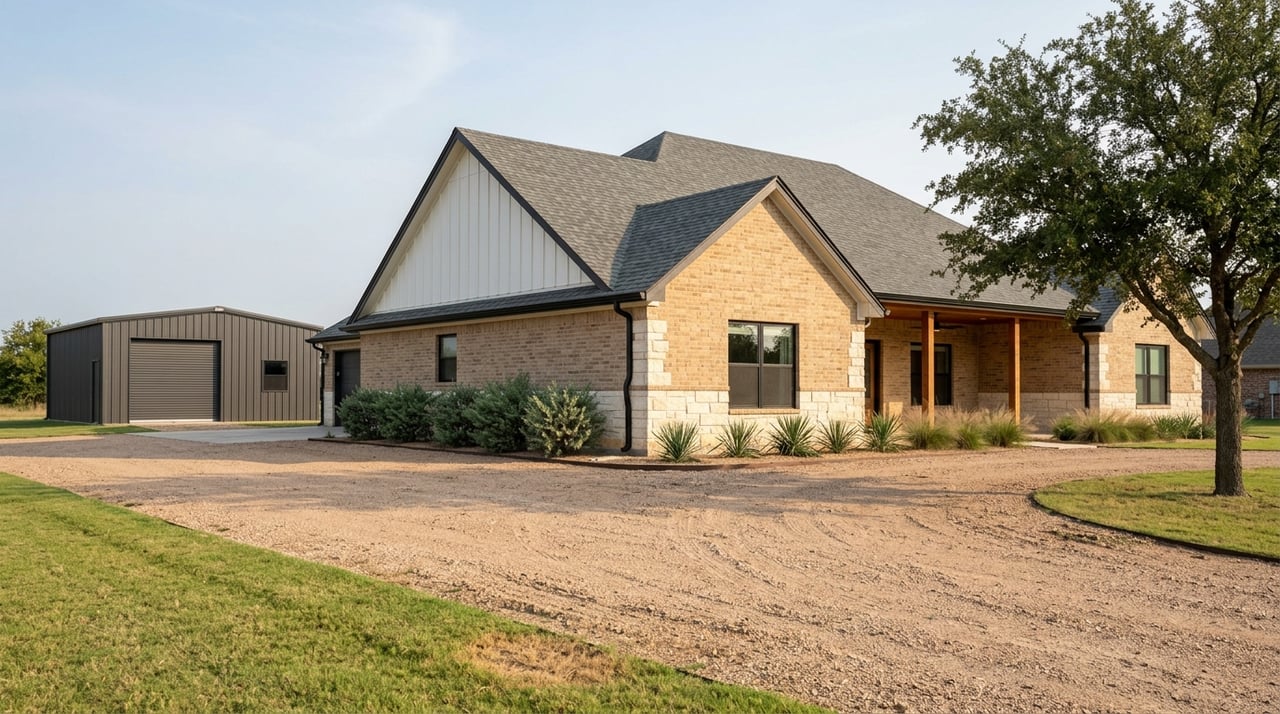
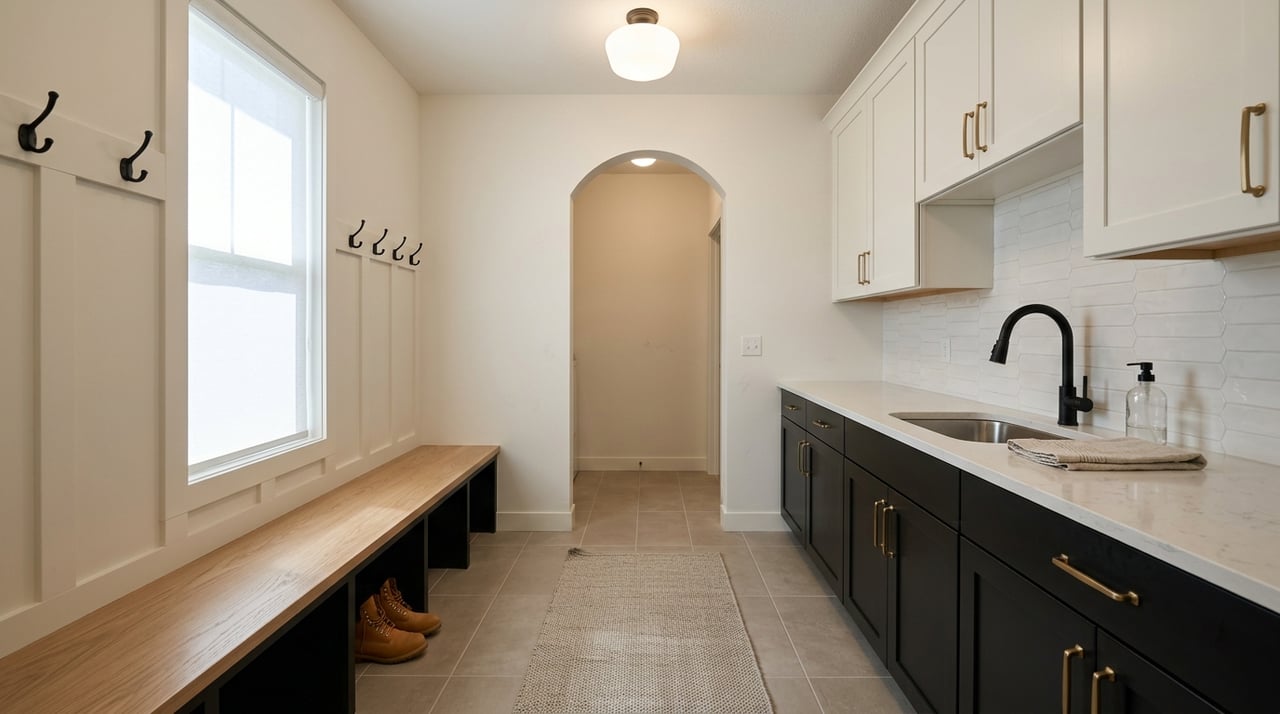
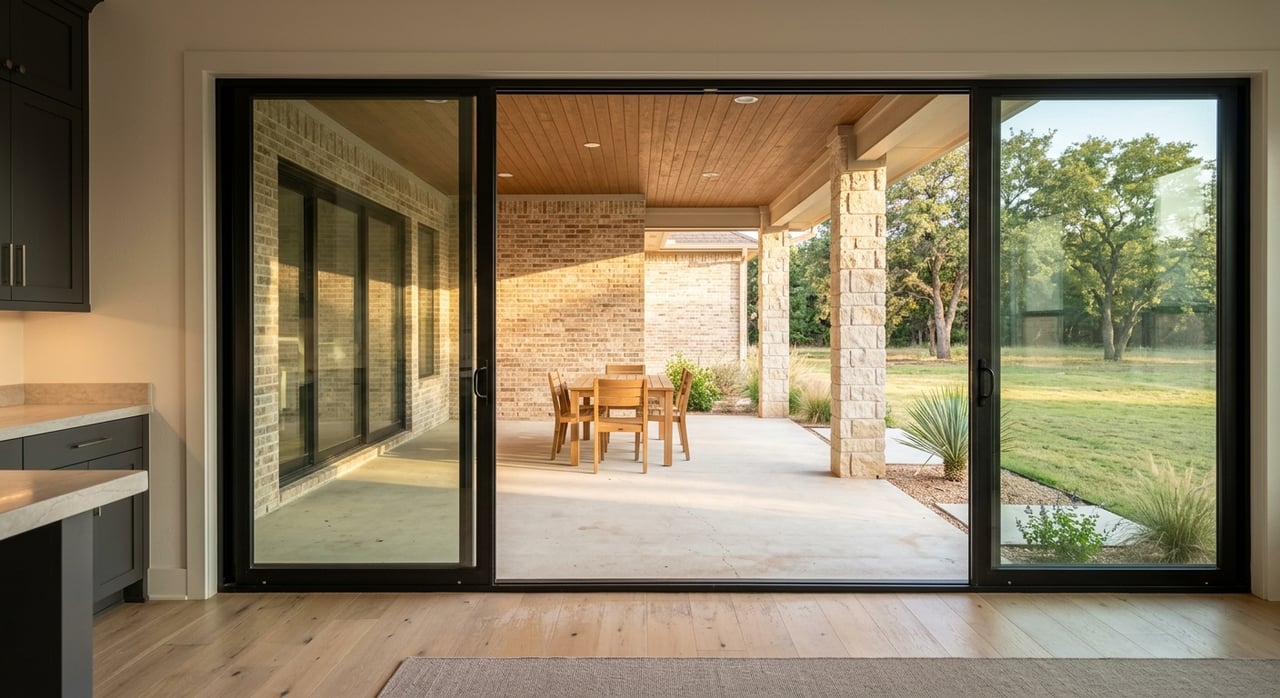
Who you work with matters! When it comes to your real estate needs, you should work with the best. Whether it is buying, selling, renting, second homes, investing, or more, we are happy to help assist you in any way that we can.
2500 S Willis St Abilene, TX 79605